Marie-Eve Beaulieu, Louis-Philippe Côté, Marc-Aurèle Fortin, Benjamin Klein, Josiane Lanthier, David Nash, Julie Ouellet, Jean Paul Riopelle, Goodridge Roberts, Natalja Scerbina, Marc Séguin, Françoise Sullivan, Frédérique Ulman-Gagné, et Irene F. Whittome.
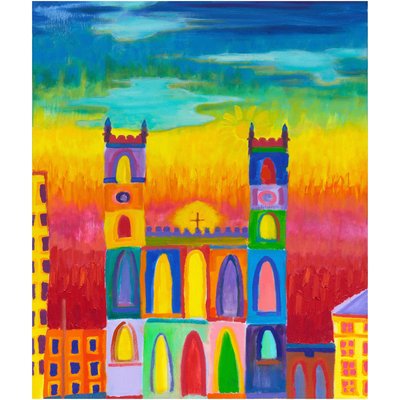
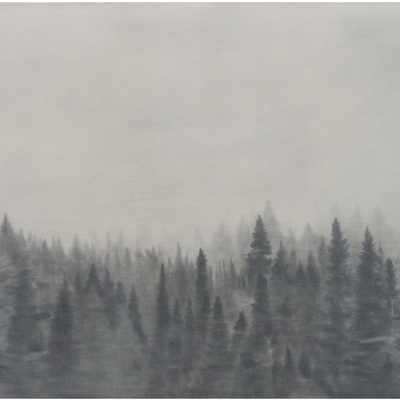
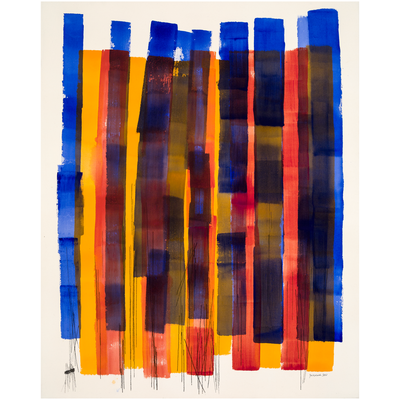
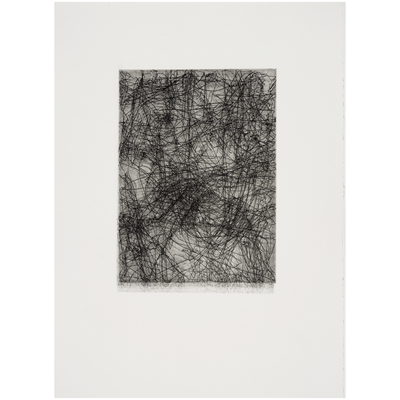
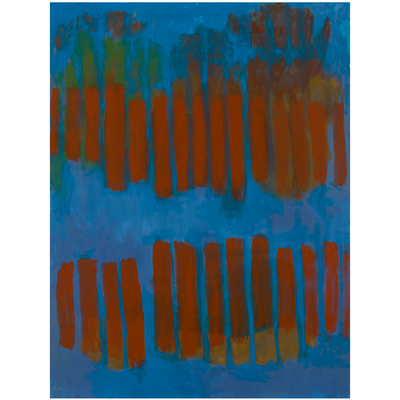
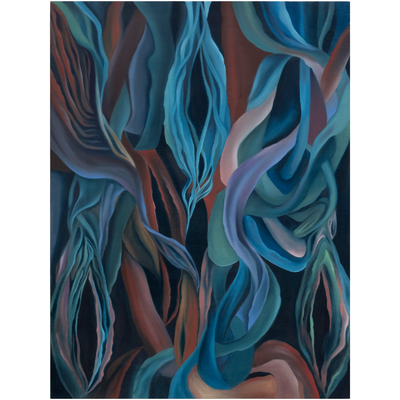
The gallery presents a group exhibition bringing together around ten works by historical and contemporary artists around a central theme: how can a personal experience of the territory be translated?
A foundational genre in the history of Canadian and Quebec art, landscape painting is approached here as a space for observation, symbolic projection, and formal experimentation. Through profoundly unique perspectives, the exhibition creates a dialogue between different eras and sensibilities, revealing the richness and complexity of this artistic field.
The exhibition opens with a landscape by Marc-Aurèle Fortin, painted around 1947–1950, before exploring the aesthetic upheavals that had a lasting impact on the visual arts worldwide. The rise of abstraction and the expression of inner experience redefined the relationship to nature. The abstract landscapes painted in Superbagnères, in the French Pyrenees, by Jean Paul Riopelle bear witness to this major turning point in the representation of the land. The experiential dimension of landscape is also evident in the works on paper and canvas by Françoise Sullivan, inspired by her travels in Greece and Turkey in the 1990s, where the sensory experience of mountain panoramas becomes the true subject.
The legacy of the Group of Seven runs throughout the exhibition, recalling the central role of landscape in the construction of Canadian artistic identity. This lineage continues with several contemporary artists, including Josiane Lanthier.
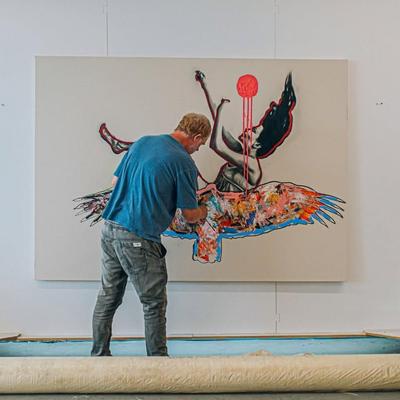
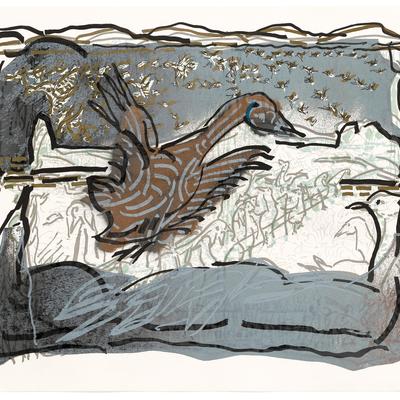
The works of Marc Séguin, Julie Ouellet, Benjamin Klein, Frédérique Ulman-Gagné, Louis-Philippe Côté, Jessica Peters, Marie-Eve Beaulieu et Natalja Scerbina offer distinct interpretations of the territory, oscillating between abstraction and figuration, memory and narration, gesture and critical perspective. The exhibition concludes with the refined approach of British sculptorDavid Nash, whose works on paper establish a sensitive dialogue between volume and colour. By bringing together these diverse approaches, the exhibition affirms the renewed relevance of landscape, considered both as a motif and as a sensory experience.